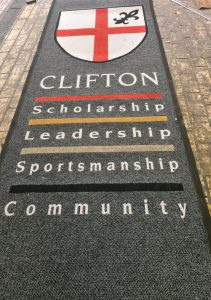
Health and Safety Mats: A Critical Component of Workplace Safety in South Africa
Workplace safety is not only a moral obligation but a legal one in South Africa. Employers must create and maintain safe working environments that protect staff, visitors, and clients. While much attention is given to PPE (Personal Protective Equipment), machinery safety, and emergency protocols, one often-overlooked element in workplace safety is the strategic use of health and safety mats.
From entranceways to industrial settings, health and safety mats are integral to minimising accidents, improving ergonomics, and maintaining hygiene. When properly selected and maintained, these mats contribute significantly to regulatory compliance and employee wellbeing.
The Legal Framework: South African Health & Safety Regulations
In South Africa, workplace safety is governed by the Occupational Health and Safety Act (OHSA) 85 of 1993, which places responsibility on employers to ensure a working environment that is safe and without risk to the health of employees. Section 8 of the OHSA mandates that employers must identify hazards, take preventative steps, and provide systems of work that are safe and without risk.
Additionally, industry-specific regulations such as the General Safety Regulations, Facilities Regulations, and Environmental Regulations for Workplaces provide detailed guidance on maintaining safe floors, entrances, and wet areas — directly relevant to the use of safety mats.
By integrating health and safety mats into your workplace environment, you not only reduce risks but also align with legal obligations as laid out by the Department of Employment and Labour.
The Role of Health and Safety Mats in the Workplace
People often don’t realise how much of a role mats play in daily workplace operations. From improving hygiene in commercial kitchens to reducing static in electronics factories, mats are functional safety tools found in nearly every work setting.
Here’s a breakdown of how various types of health and safety mats support compliance and contribute to a safer, more efficient workplace in South Africa:
1. Entrance Mats: Your First Line of Defence
Slips, trips, and falls are one of the most common causes of workplace injuries globally, and South Africa is no exception. The OHSA requires employers to minimise risks of slipping, especially in areas exposed to wet weather or foot traffic.
Health and safety mats at entry points are crucial for trapping dirt, debris, and moisture before they can be spread across flooring. This prevents hazardous slip zones from forming, particularly during rainy seasons which are common in cities like Cape Town and Durban.
Rubber-backed entrance mats are especially popular for businesses in Johannesburg’s commercial sectors, where high foot traffic demands high-performance, absorbent matting solutions. These mats are designed to be anti-slip and easy to clean, blending safety with convenience.
2. Kitchen and Food Prep Mats: Hygiene Meets Safety
Commercial kitchens, restaurants, and catering services are legally obligated to maintain hygiene and minimise the risk of injury under both the OHSA and the Foodstuffs, Cosmetics and Disinfectants Act 54 of 1972.
Rubber health and safety mats used in these environments are built to drain water, oil, and food particles away from the surface, significantly reducing slip risks. The textured surfaces and anti-microbial properties help maintain cleanliness and prevent the spread of bacteria — essential in food-safe zones.
Popular choices include grease-proof mats with anti-microbial technology, ideal for high-use areas like those found in hotel kitchens across the Western Cape or restaurant chains in Gauteng.
3. Wet Area Mats: Essential for Gyms, Pools & Spas
Facilities such as gyms, health clubs, and spas in South Africa — especially in tourist hubs like the Garden Route and Sun City — are responsible for ensuring floor surfaces are safe for barefoot use. The Environmental Regulations for Workplaces highlight the importance of clean and dry walking surfaces, particularly in wet environments.
Wet area mats are specifically designed to remain slip-resistant even when saturated. Made from antimicrobial rubber or PVC compounds, these mats allow water to drain efficiently and prevent puddles from forming. This reduces the risk of athlete’s foot, verrucas, and general slips, ensuring guest safety and legal compliance.
4. Anti-Static Mats: Protect People and Equipment
In manufacturing facilities, server rooms, and electronics repair shops across South Africa, anti-static health and safety mats are essential. These mats prevent the buildup and discharge of static electricity, which can damage sensitive electronic components and pose safety hazards.
South African companies involved in electronics manufacturing or telecommunications must also comply with the Electrical Machinery Regulations under OHSA, which touch on static discharge control in certain environments. Anti-static mats help manage this by grounding static safely and protecting both employees and devices.
5. Anti-Fatigue Mats: Enhancing Comfort and Reducing Injury
In sectors like manufacturing, logistics, and laboratory research — particularly in Johannesburg and Pretoria — employees often stand for extended periods. Fatigue is a known contributor to workplace accidents, and the OHSA requires that job design minimise health risks related to posture and repetitive tasks.
Anti-fatigue mats provide a cushioning effect that promotes subtle movement in the legs and feet, encouraging better blood flow and reducing muscle strain. This leads to fewer musculoskeletal disorders, improved focus, and higher productivity. These mats are common in warehouses, production lines, and cashier stations, where long-standing work is routine.
Why South African Businesses Should Prioritise Health and Safety Mats
Failing to provide adequate matting in high-risk areas not only violates workplace safety laws in South Africa but could result in costly injury claims, downtime, or even penalties from the Department of Employment and Labour.
Here’s what businesses across sectors stand to gain by using health and safety mats:
Legal compliance with OHSA and related health & safety legislation
Lower incident rates, leading to fewer compensation claims and downtime
Improved employee morale through greater comfort and safety
Better hygiene in public and private spaces
Enhanced brand perception, especially when mats are clean, branded, or well-maintained
Conclusion: Invest in Health and Safety Mats to Stay Compliant and Protect Lives
Whether you’re running a corporate office in Sandton, a retail store in Durban, or a food processing plant in Cape Town, integrating health and safety mats into your workplace is a smart, cost-effective way to meet legal obligations and protect your workforce.
By choosing the right mats for each area — entranceways, kitchens, wet zones, production floors — South African businesses can reduce hazards, enhance comfort, and demonstrate a serious commitment to health and safety.
If you’re ready to upgrade your workplace mats or need guidance on compliance with South African health and safety laws, now is the perfect time to invest in the right solutions.
When it comes to selecting commercial floor mats for your workplace, decisions around branding, rental vs. purchase, and material often take center stage. But one of the most critical — and frequently overlooked — choices is whether to opt for loose-lay mats or fitted mats. If your business deals with significant foot traffic, fitted mats may be the unsung hero of your entryway that you didn’t know you needed.
From aesthetics to safety to long-term value, fitted entrance mats offer a wide range of benefits that can give your business a clean, professional look while also boosting functionality.
What Exactly Are Fitted Mats?
Fitted mats, also known as mat well mats, are floor coverings designed to be inserted into a recessed area — or “mat well” — in the flooring. Unlike loose mats that sit on top of the floor and can shift around, fitted mats are installed so they lie perfectly flush with the surrounding surface.
This precise fit creates a clean, streamlined appearance that doesn’t just look great, but performs even better. Whether you’re managing a busy hotel lobby, retail store, corporate office, or restaurant entrance, fitted mats offer a reliable solution that stays firmly in place, no matter how many people walk over them.
Typically custom-made, fitted mats can be tailored to the exact dimensions of your mat well, including irregular or curved shapes. They’re available in a variety of materials such as coir, rubber, and carpet with durable backings like uPVC for long-lasting use. And yes — they can be custom-branded to reflect your business identity right at the front door.
Key Benefits of Fitted Mats for Businesses
Let’s dive deeper into why fitted mats have become a popular choice for businesses across different sectors.
1. They Stay Put — Always
The most obvious yet vital benefit of fitted entrance mats is that they are literally built into the floor. This means no sliding, bunching, or curling at the edges — even under heavy foot traffic.
This stability dramatically reduces the risk of trips and falls, making your workplace safer for customers, clients, and employees alike. This is especially important in high-traffic or high-risk environments like care facilities, retail entrances, and restaurants.
2. A Seamless, Professional Look
Fitted mats don’t move — and they don’t look like an afterthought. Because they are designed to match your flooring exactly, they blend seamlessly into your space, creating a clean and polished aesthetic.
First impressions matter. The moment a client or customer steps into your premises, the professional look of a fitted mat can subtly reinforce your brand’s commitment to detail and quality. It’s a small touch with a big impact.
3. Fully Customizable to Fit Any Space
Unlike standard mats that come in fixed sizes, fitted mats are made to measure. That means whether your entry space is a perfect rectangle, a circle, or something completely unique, you can get mats designed to match.
This flexibility also extends to materials and finishes. You can choose from coir, nylon, rubber, or other high-durability materials to suit your business’s practical and aesthetic needs. Need a mat in your brand’s colors or featuring your logo? No problem — fitted mats can be customized for that too.
4. Branding That Greets Customers
Your entrance is the first touchpoint for customers and clients. Why not make it a branded one?
With fitted mats, especially coir or carpet options, there’s room for creativity and brand expression. Add your logo, slogan, or company colors to make your entryway an extension of your overall brand identity. These mats don’t just keep dirt out — they reinforce who you are as a business.
5. Longer Lifespan, Better ROI
Thanks to their snug installation, fitted mats tend to last longer than their loose-lay counterparts. Their edges are protected from fraying and tearing, and since they don’t shift or fold, they endure wear and tear more gracefully.
This durability translates into a better return on investment. While the upfront cost of fitted mats may be higher, they save money in the long run by reducing the frequency of replacements and minimizing cleaning costs.
Are There Any Disadvantages to Fitted Mats?
As with any investment, it’s important to consider both the pros and cons. While fitted mats offer a host of advantages, there are a couple of potential drawbacks worth mentioning.
1. Higher Initial Cost
Custom manufacturing and professional installation do add to the price tag of fitted mats compared to off-the-shelf options. If you opt for branded designs or high-end materials, costs can increase further.
However, most businesses find that the enhanced lifespan, safety features, and branding benefits quickly offset the initial spend.
2. Slightly More Complex to Replace
Because fitted mats are installed into a recessed area, replacing them isn’t as simple as swapping out a loose mat. Removal and installation generally require professional assistance, especially for custom shapes or branded designs.
The key here is to work with a trusted supplier who can offer maintenance, replacement, and installation support as part of their service.
Who Should Consider Fitted Mats?
Fitted mats are ideal for businesses that:
Experience high foot traffic
Want to create a lasting first impression
Need a safe, secure matting solution
Are looking for a clean, tailored aesthetic
Want to incorporate branding into their entryway
From hotels and luxury retail outlets to office complexes and healthcare facilities, any space that prioritizes both form and function can benefit from investing in fitted entrance mats.
Ready to Elevate Your Entrance?
If you’re in the market for durable, attractive, and custom-branded floor mats, fitted mats are a choice that delivers on all fronts. With their superior safety, professional appearance, and branding potential, they offer a long-term solution that enhances both the practicality and visual appeal of your space.
Whether you’re revamping your entryway or designing a new space from scratch, fitted mats should be at the top of your list. They might just be the perfect fit your business needs.
What Is The Best Door Mat For Outside? Natural Coir Mat vs Spaghetti Mat
When it comes to keeping dirt, moisture, and debris from entering your home, the humble doormat plays a powerful role. The pertinent question is “What Is The Best outDoor Mat For Outside?” But with so many materials and styles available, choosing the best door mat for outside use can be confusing. Among the top contenders are natural coir mats and spaghetti PVC mats. Both are widely used for outdoor settings, but they come with distinct features that make them ideal for different needs.
In this article, we’ll compare these two popular types of outdoor mats based on durability, functionality, maintenance, aesthetics, eco-friendliness, and cost—so you can make the best choice for your home.
Why the Right Outdoor Door Mat Matters
Before diving into the comparison, it’s important to understand why investing in the best door mat for outside use is essential:
Keeps your entryway clean by trapping dirt and moisture.
Reduces wear and tear on indoor flooring.
Adds a touch of style to your porch or doorstep.
Improves safety by reducing slip risks in rainy or snowy weather.
Now, let’s compare the two leading options: Natural Coir Mats and Spaghetti PVC Mats.
Natural Coir Door Mats: Traditional & Eco-Friendly
What is Coir?
Coir is a natural fiber extracted from the husk of coconuts. Coir mats are known for their coarse texture, which makes them effective at scraping off mud, dirt, and even snow from shoes.
Pros of Natural Coir Mats
Excellent Scraping Ability: The rough bristles are great at removing stubborn debris from shoes.
Eco-Friendly: Made from renewable coconut fibers and biodegradable.
Aesthetic Appeal: Has a classic, rustic look that complements traditional or natural-themed homes.
Customizable: Often comes with printed designs, welcome messages, or custom graphics.
Cons of Coir Mats
Prone to Shedding: Over time, coir fibers can break down and shed.
Not Fully Waterproof: Coir can absorb moisture, which may cause mold or mildew if not dried properly.
Shorter Lifespan: Typically lasts 1-2 years in high-traffic or very wet outdoor areas.
Spaghetti PVC Door Mats: Durable & Modern
What is a Spaghetti Mat?
Spaghetti PVC mats are made from looped PVC (polyvinyl chloride) material that resembles strands of spaghetti. These mats are designed to trap dirt and moisture below the surface.
Pros of Spaghetti PVC Mats
Highly Durable: Resistant to weather, UV rays, and heavy foot traffic.
Low Maintenance: Can be hosed off easily and dries quickly.
Non-Slip Backing: Most come with anti-slip backing to keep the mat in place.
Moisture-Resistant: Doesn’t absorb water, making it ideal for rainy or snowy climates.
Modern Look: Offers a sleek, contemporary appearance.
Cons of Spaghetti PVC Mats
Less Eco-Friendly: Made from synthetic materials that are not biodegradable.
Less Traditional Aesthetics: May not match rustic or traditional home exteriors.
Limited Design Options: Typically available in fewer decorative patterns compared to coir mats.
Head-to-Head Comparison
Feature
Natural Coir Mat
Spaghetti PVC Mat
Dirt Removal
Excellent
Very Good
Moisture Resistance
Moderate (can absorb water)
Excellent (waterproof)
Durability
Moderate (1–2 years)
High (3–5 years or more)
Maintenance
Medium (requires drying)
Easy (hose and go)
Aesthetic Appeal
Rustic, traditional
Sleek, modern
Eco-Friendliness
High (biodegradable)
Low (synthetic material)
Price Range
Affordable to Mid
Mid to High
Slip Resistance
Basic
High (anti-slip backing)
Which Is the Best Door Mat for Outside?
The answer depends on your priorities:
If you want natural aesthetics, eco-friendliness, and great scraping ability for mud and debris, a natural coir mat is a solid choice.
If you prioritize durability, moisture resistance, and easy cleaning in a wet or high-traffic environment, the spaghetti PVC mat wins hands down.
For homeowners in areas with frequent rain or snow, the spaghetti mat is likely the best door mat for outside due to its ability to resist water and dry quickly. Meanwhile, coir mats are better suited for covered entryways or drier climates where aesthetics and sustainability matter more than weather resistance.
Tips for Maintaining Your Outdoor Door Mat
No matter which mat you choose, proper care ensures it performs well and lasts longer:
Shake or vacuum your mat weekly to remove surface dirt.
For coir mats, allow them to dry completely if they get wet.
For spaghetti mats, rinse with a hose periodically and let them air dry.
Avoid placing any outdoor mat in direct sun for extended periods to prevent fading.
Final Thoughts
Choosing the best door mat for outside use ultimately comes down to your personal needs, climate, and aesthetic preferences. Both natural coir mats and spaghetti PVC mats have their strengths—and either can be an excellent addition to your home’s entryway when chosen wisely.
Whether you value sustainability or heavy-duty performance, a quality outdoor mat is a small investment with a big impact on your home’s cleanliness, safety, and curb appeal.
Which type of mat do you use at your doorstep? Share your thoughts and experiences in the comments below!
Dirt trapper mats play a crucial role in keeping indoor spaces clean by capturing dirt, dust, and moisture from shoes before they enter a building. Whether for homes, offices, or commercial spaces, selecting the right material for a dirt trapper mat is essential for durability, efficiency, and maintenance ease.
With many options available, it can be challenging to determine which material best suits your needs. This guide compares various materials, including propylene carpet, nylon carpet, polyester, rubber, open-loop vinyl (spaghetti mats), propylene and PVC hybrids, and aluminum and propylene hybrids. By understanding their pros and cons, you can make an informed decision based on durability, cleaning requirements, cost, and effectiveness.
1. Polypropylene Carpet Mats
branded logo mat
Pros:
✅ Affordable and widely available ✅ Good dirt and moisture absorption ✅ Resistant to mildew and mold ✅ Easy to clean
Cons:
❌ Less durable compared to nylon ❌ Can flatten over time, reducing efficiency ❌ Limited design options
Polypropylene (or propylene) carpet mats are a budget-friendly option ideal for light to moderate traffic areas. These mats have good moisture absorption and dry quickly, making them a decent choice for home or office use. However, polypropylene fibers tend to crush over time, reducing their effectiveness in trapping dirt.
2. Nylon Carpet Mats
Pros:
✅ Extremely durable and long-lasting ✅ Superior moisture and dirt absorption ✅ Retains shape and texture even under heavy foot traffic ✅ Available in a variety of colors and patterns
Cons:
❌ More expensive than polypropylene ❌ Can require more maintenance
Nylon carpet mats are one of the best options for high-traffic areas. They outperform polypropylene in durability and absorbency, making them ideal for businesses, malls, and public buildings. While they cost more, their longevity and effectiveness make them a cost-effective investment.
3. Polyester Mats
Pros:
✅ Stain-resistant and easy to clean ✅ Soft underfoot ✅ Resistant to mildew and fading ✅ Affordable
Cons:
❌ Less durable than nylon ❌ Can shed fibers over time ❌ Limited water absorption compared to nylon
Polyester mats offer a stylish and soft option, often used in homes and offices. They resist stains well, making them great for areas with occasional spills. However, they don’t perform as well as nylon or polypropylene in high-traffic areas.
4. Complete Rubber Mats
Pros:
✅ Highly durable and long-lasting ✅ Excellent for heavy foot traffic and industrial areas ✅ Easy to clean and maintain ✅ Waterproof and slip-resistant
Cons:
❌ Does not absorb moisture ❌ Limited aesthetic appeal ❌ Can be heavy and difficult to move
Rubber mats are perfect for industrial settings, garages, and outdoor entrances. They provide excellent durability and slip resistance, especially in wet conditions. However, since rubber does not absorb moisture, it is often paired with absorbent materials for better functionality.
5. Open Loop Vinyl Mats (Spaghetti Mats)
Pros:
✅ Highly effective at scraping dirt off shoes ✅ Non-absorbent, making them mold-resistant ✅ Easy to clean with a hose or shake-off method ✅ Ideal for outdoor use
Cons:
❌ Not effective for moisture absorption ❌ Can become slippery when wet ❌ Less comfortable underfoot
Spaghetti mats (open-loop vinyl mats) are designed primarily for scraping off dirt and debris before entering a building. They work well in outdoor areas but are not the best for absorbing water, which can make them unsuitable for rainy conditions unless paired with another absorbent mat inside.
6. Polypropylene and PVC Hybrid Dirt Trapper Mats
Pros:
✅ Combines the strength of PVC with the absorbency of polypropylene ✅ Durable and resistant to wear and tear ✅ Effective in dirt and moisture absorption ✅ Suitable for moderate to heavy foot traffic
Cons:
❌ More expensive than polypropylene alone ❌ Heavier and may require more effort to clean
These hybrid mats balance durability and moisture control, making them a great choice for commercial and residential spaces. The addition of PVC enhances durability, making them more resistant to crushing than pure polypropylene mats.
7. Aluminum and Polypropylene Hybrid Entrance Mats
Pros:
✅ Extremely durable and long-lasting ✅ Ideal for high-traffic areas ✅ Efficient in trapping dirt and moisture ✅ Adds a premium, professional look to entrances
Cons:
❌ Expensive compared to other mat types ❌ Heavier and requires professional installation in some cases ❌ Can be noisy underfoot
Aluminum and polypropylene hybrid mats are commonly seen in shopping malls, airports, and commercial buildings. Their strong framework ensures longevity, while polypropylene inserts absorb moisture and trap dirt effectively. If you need a high-end entrance mat with superior performance, this is an excellent option.
Choosing the Right Mat for Your Needs
When selecting the best dirt trapper mat, consider the following factors:
1. Location and Traffic Volume
Low-traffic areas (homes, small offices): Polyester, polypropylene carpet mats
Moderate traffic areas (offices, lobbies): Nylon carpet, polypropylene and PVC hybrid mats
High-traffic areas (malls, hospitals, industrial zones): Aluminum and polypropylene hybrid, rubber, nylon carpet
2. Moisture Absorption vs. Dirt Scraping
For wet environments: Nylon, polypropylene, polypropylene and PVC hybrid
For dirt-heavy areas: Rubber, spaghetti mats, aluminum and polypropylene hybrid
For most general-purpose indoor mats, nylon carpet mats offer the best combination of durability, absorbency, and aesthetics. However, for outdoor or industrial use, rubber or open-loop vinyl mats are excellent choices. Hybrid mats provide a balance of features for businesses and commercial settings, while aluminum and polypropylene mats are the premium choice for heavy-duty entrance areas.
Ultimately, the best material depends on your specific needs, traffic levels, and maintenance preferences. By carefully evaluating these factors, you can invest in a dirt trapper mat that effectively protects your indoor space for years to come.
An office entrance mat is more than just a decorative addition to your workspace—it plays a crucial role in maintaining cleanliness, enhancing safety, and reinforcing your brand image. Whether you are looking for a mat that makes a strong first impression, effectively traps dirt, or absorbs moisture, choosing the right one requires careful consideration. In this guide, we’ll explore different types of office entrance mats, including Berber Point logo mats, plain Berber Point carpets, and spaghetti mats, and evaluate their suitability based on aesthetic appeal, dirt-trapping qualities, water retention, and foot traffic considerations.
1. Berber Point Logo Mats – Functionality Meets Branding
If you want an office entrance mat that serves both a functional and branding purpose, Berber Point logo mats are an excellent choice. These mats are made from Berber Point carpet material, a durable and tightly woven fiber known for its dirt-trapping and moisture-absorbing capabilities.
Why Choose Berber Point Logo Mats?
Decor/Aesthetic: Customizable with your company’s logo, name, or slogan, these mats help reinforce brand identity right at the entrance.
Dirt Trapping Qualities: The textured, coarse surface effectively scrapes dirt from shoes, keeping your office cleaner.
Water Retention: High moisture absorption helps prevent water from being tracked inside, reducing slip hazards.
Foot Traffic Considerations: Ideal for medium to heavy foot traffic, these mats withstand daily wear and tear while maintaining their appearance.
2. Plain Berber Point Carpets – A Professional and Minimalist Choice
For offices that prefer a clean and simple look without logos or branding, plain Berber Point carpets are a great alternative. They offer the same durability and performance as logo mats but with a neutral, professional appearance.
Why Choose Plain Berber Point Carpets?
Decor/Aesthetic: Their sleek and uniform look complements modern office interiors without distraction.
Dirt Trapping Qualities: Just like logo mats, the dense fibers help trap dust, dirt, and debris from shoes.
Water Retention: The carpet fibers are designed to absorb and retain moisture, preventing water puddles inside the office.
Foot Traffic Considerations: Best suited for moderate to high foot traffic areas, such as reception areas and hallways.
3. Spaghetti Mats – The Heavy-Duty Outdoor Solution
If your office entrance is exposed to outdoor elements, spaghetti mats (also known as PVC looped mats) are an excellent choice. These mats are made from flexible, durable PVC loops that effectively scrape dirt and moisture from shoes.
Why Choose Spaghetti Mats?
Decor/Aesthetic: Available in various colors, spaghetti mats provide a modern and sleek look that enhances curb appeal.
Dirt Trapping Qualities: The open-loop structure captures dirt and debris, preventing it from entering the building.
Water Retention: Unlike Berber Point mats, spaghetti mats allow water to drain through, keeping the mat dry and functional.
Foot Traffic Considerations: Ideal for high-traffic outdoor entrances, they withstand exposure to rain, mud, and heavy usage without deteriorating.
How to Choose the Right Office Entrance Mat
Now that we’ve explored different types of entrance mats, let’s break down the key factors to consider when making your decision.
1. Consider the Location and Environment
Indoor Use: Berber Point logo mats or plain Berber Point carpets are ideal for indoor entrances, lobbies, and reception areas.
Outdoor Use: Spaghetti mats work best for outdoor office entrances where exposure to dirt, mud, and rain is frequent.
2. Assess Dirt-Trapping Efficiency
Offices in dusty or muddy areas should prioritize Berber Point carpets or spaghetti mats for maximum dirt removal.
If branding is important, Berber Point logo mats provide both aesthetic appeal and dirt-trapping functionality.
3. Water Absorption Needs
If water retention is a concern, Berber Point mats (both logo and plain) are the best choice, as they can absorb large amounts of moisture.
If drainage is preferred over absorption, spaghetti mats are a better fit, especially for outdoor placements.
4. Evaluate Foot Traffic Levels
Light to Medium Foot Traffic: Plain Berber Point carpets work well in low-traffic offices and small businesses.
Medium to High Foot Traffic: Berber Point logo mats provide durability and branding while handling frequent visitors.
High-Traffic and Outdoor Entrances: Spaghetti mats are the best option for very busy entrances, as they are built to withstand tough conditions.
Final Thoughts
Choosing the right office entrance mat depends on your office’s unique needs, whether it’s branding, durability, dirt-trapping, or water retention.
Berber Point logo mats are the best for combining aesthetics and functionality, offering branding and cleanliness.
Plain Berber Point carpets provide a simple yet effective solution for professional office environments.
Spaghetti mats excel in high-traffic outdoor settings, ensuring maximum dirt and water management.
By carefully considering decor, dirt-trapping qualities, water retention, and foot traffic, you can make an informed choice that enhances both the appearance and safety of your office entrance. Investing in the right mat will not only create a welcoming first impression but also contribute to a cleaner, more professional workspace.
Are inlaid logo mats worthwhile :An In-Depth Look at Inlaid Custom Logo Mats
In this guide we will have An In-Depth Look at Inlaid Custom Logo Mats, and determine if they are worth the price tag.If you are looking for an entrance mat that is elegant, durable, and makes a lasting impression, then Inlaid Custom Logo Mats are an excellent choice. Unlike printed mats, inlaid mats are created using a meticulous process where different colored materials are precisely cut and pieced together to form a seamless design. These elements are then bonded to a sturdy rubber backing, ensuring a high-quality, long-lasting mat that does not fade over time.
Why Choose Inlaid Custom Logo Mats?
Inlaid custom logo mats offer superior quality compared to printed mats, making them a worthwhile investment for businesses that want to make a strong first impression. Because the design is made from individual pieces of material rather than being printed, it remains vibrant and intact for years to come. These mats have a professional, high-end appearance and are commonly used in corporate offices, showrooms, upscale hotels, luxury retail stores, and high-end restaurants.
Understanding the Inlay Process
The inlay process is a labor-intensive yet rewarding method that ensures the highest quality and durability for custom logo mats. Here’s how it works:
Design Submission: The client submits a logo, brand name, tagline, motto, or any other design they wish to feature on the mat.
Template Creation: A design template is developed based on the provided artwork and applied to the base mat.
Precision Cutting: Using advanced cutting techniques, elements of the design, such as letters and shapes, are cut out of the base mat.
Material Selection: The cut-out elements are then replaced with corresponding pieces of different colored mats made of the same material to match the design perfectly.
Final Assembly: The individual elements are carefully inlaid into the base mat and bonded securely to a reinforced rubber backing, ensuring durability and a seamless look.
The materials commonly used in inlaid logo mats include solution-dyed polypropylene, which is ideal because it cannot be printed on and retains color exceptionally well. Other materials, such as coir, can also be used, provided they have a strong backing for durability.
Key Benefits of Inlaid Custom Logo Mats
Superior Color Retention: Since polypropylene fibers are solution-dyed before weaving, the color permeates the entire material, making it UV-stabilized and highly resistant to fading.
Mold and Mildew Resistance: These mats are designed to withstand moisture and resist mold and mildew, ensuring a hygienic and long-lasting product.
Luxurious Appearance: The seamless, high-quality finish gives a refined and professional look, making it ideal for businesses wanting to maintain a premium image.
Extreme Durability: Inlaid mats are built to endure high foot traffic and harsh weather conditions, making them perfect for both indoor and outdoor commercial use.
Excellent Dirt and Moisture Control: The textured surface effectively removes dirt, grime, and water from shoes, keeping floors cleaner and reducing maintenance costs.
Slip Resistance: The rubber backing ensures the mat stays in place, providing safety for customers and employees by preventing slips and falls.
Potential Limitations of Inlaid Custom Logo Mats
While inlaid logo mats offer a range of advantages, there are some considerations to keep in mind:
Higher Cost: The inlaying process is highly manual and labor-intensive, making these mats more expensive than printed options.
Design Restrictions: Due to the nature of the inlay process, intricate designs may not be feasible. There must be a minimum line thickness of 3/8 inch and a 3/4-inch gap between colors, which limits highly detailed or complex artwork.
No Gradients or Transparencies: Inlaid mats cannot achieve gradients, shading, or transparent effects, making them unsuitable for designs that rely on these elements.
Where Are Inlaid Custom Logo Mats Best Used?
Due to their premium quality and professional appearance, inlaid custom logo mats are ideal for:
Corporate office buildings
Luxury retail stores
Upscale hotels and restaurants
Showrooms and exhibition halls
Commercial lobbies and reception areas
Final Thoughts
Inlaid Custom Logo Mats are an excellent choice for businesses that value quality, durability, and a professional appearance. While they may have a higher price point and some design limitations, their longevity and visual appeal make them a worthwhile investment. By ensuring a pristine entrance, these mats enhance brand presence while providing practical benefits such as dirt and moisture control.
If you need assistance in selecting the right inlaid custom logo mat for your business, feel free to reach out to our team at sales@matsupplier.com or give us a call at 866-362-2053.